Zimbabwe’s Investment Balancing Act: East Rises as the West Hesitates
By Linda Mujuru
Zimbabwe’s 2018 declaration that it was “open for business” marked a major policy shift under President Emmerson Mnangagwa, aimed at attracting Foreign Direct Investment (FDI). While the government cites progress in economic reforms, some Western investors remain cautious, pointing to persistent concerns over regulatory hurdles, currency instability, and policy inconsistencies.
But some nations are thriving.
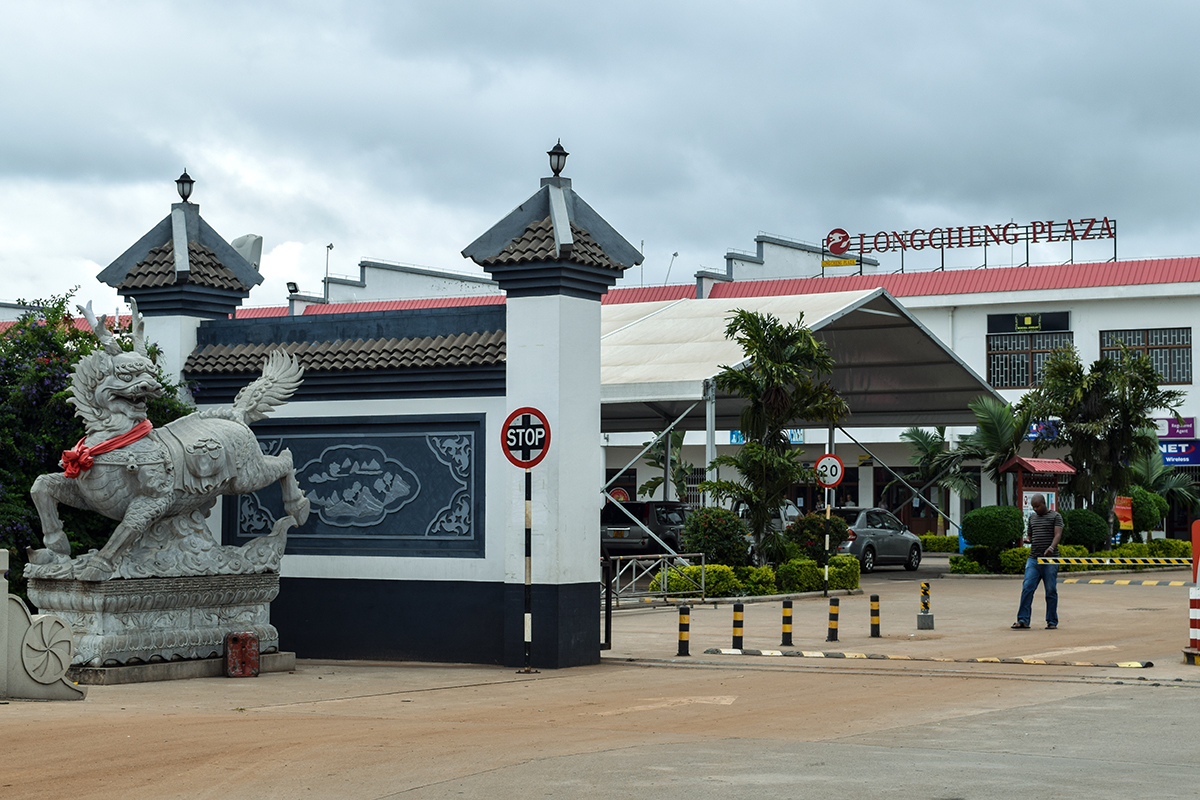
China has emerged as Zimbabwe’s dominant investment partner. According to the Zimbabwe Investment and Development Agency (ZIDA), 441 Chinese investors contributed a total of US$2.75 billion, up sharply from 56 investors and US$52.28 million in 2023. In comparison, the United States invested US$182.07 million but remained outside Zimbabwe’s top five foreign investors, which include India, Pakistan, and South Africa.
Of the 709 foreign investment licenses issued in 2024 a 15% increase from the previous year, Chinese firms received more than 60%, with investments valued at over US$2.7 billion.
While Chinese companies thrive, Western investors continue to face challenges. U.S. Ambassador to Zimbabwe Pamela Tremont cited corruption, money laundering, and compliance costs as key deterrents.
“Some U.S. companies are concerned about respect for property rights, the ability to repatriate profits, and regulatory and currency uncertainty. Transparency and predictability in tax regulations are important; we have heard complaints in this area. U.S. companies seek a transparent environment where there is no coercion to give away a major stake of their investment to be allowed to operate in Zimbabwe,” she said.
A History of Distrust
Dr. Godfrey Kanyenze, founding director of the Labour and Economic Development Research Institute of Zimbabwe (LEDRIZ), says Zimbabwe’s strained relationship with Western nations has deep historical roots.
“Historically, the West supported the colonial regime, while the East, Russia and China supported the liberation movement. That’s where it starts,” he said.
He notes that tensions with Western countries deepened in the late 1990s, particularly over land reform. Disputes around compensation escalated in the early 2000s when Zimbabwe’s fast-track land reform program prompted the U.S. and European Union to impose sanctions. Diplomatic relations have remained tense, characterised by mutual distrust and policy standoffs.
Kanyenze says the current structured dialogue process seeks to resolve long-standing issues.
“It’s meant to address debt clearance and resolution, as well as governance, compensation for white farmers, and economic reform,” he explained.
He adds that Zimbabwe’s “Look East” policy was a deliberate response to its deteriorating ties with the West.
“As a result of all these developments, the Zimbabwean government deliberately adopted a Look East policy, where investors from the East became the priority,” he said.
Reforms and Reality
In ZIDA’s 2024 Annual Report, CEO Tafadzwa Chinamo acknowledged that while the number of investment licenses increased, the total projected investment value declined by 10% to US$8.63 billion. He attributed this to global economic uncertainty and domestic fiscal pressures but stressed the importance of attracting not just more investment, but better-quality, sustainable projects aligned with national development goals.
However, Kanyenze argues that the decline is not only due to global factors. He points to the August 2023 elections, which he says failed to meet governance standards set out in Zimbabwe’s dialogue with Western partners. He also cites the passage of the Private Voluntary Organisations (PVO) Bill, a move Western nations warned would cross a diplomatic “red line.” These developments, he says, have deepened governance-related concerns among Western stakeholders, while Eastern countries like China and Russia appear largely indifferent to Zimbabwe’s domestic policies.
He notes that the government launched Doing Business reforms in 2019, achieving modest success.
“The country moved from position 150 to 140 out of 189 countries on the World Bank Doing Business Index, but since then, they haven’t undertaken comprehensive reform,” he said.
Zimbabwe’s Doing Business reforms were aimed at aligning regulations with international standards. Initiatives included streamlining business registration, improving access to credit, and digitising tax and customs systems. The creation of ZIDA’s One-Stop Investment Services Centre, along with reduced processing times for starting a business and reforms in property registration, were key milestones.
Despite these efforts, Zimbabwe still struggles to meet global benchmarks due to policy inconsistency, weak institutional capacity, and macroeconomic instability.
Kanyenze stresses that without a conducive investment climate, capital will always look elsewhere.
“Capital is a coward. It will not necessarily flow where it perceives that the conditions are not conducive, because it can go elsewhere. That is why investment from the West, in particular, remains subdued,” he said.
Western Frustrations, Eastern Gains
Ambassador Tremont also highlighted regulatory hurdles.
“There are cumbersome registration processes, the lack of a one-stop shop for licensing, unpredictable regulatory practices, and corruption. These challenges are not only peculiar to U.S. companies even local businesses have raised the same concerns,” she said.
A British Embassy official echoed that trade between Zimbabwe and the UK is growing steadily.
“The UK is working hard to increase trade and investment with Zimbabwe for mutual benefit. Our bilateral trade has averaged £300 million over the last five years, helped by our Economic Partnership Agreement (EPA), which enables Zimbabwean businesses to export to the UK tariff-free. UK investment includes sectors such as renewable energy and critical minerals, and we have a US$1 billion pipeline of deals we want to close,” the official said.
Kanyenze says Western investors often link their engagement to governance and reform conditions.
“As you know, the history of the IMF, the World Bank, and the Structural Adjustment Programmes in Zimbabwe (ESAP) was pushed by Western countries. The Eastern countries don’t operate like that. They don’t get involved in how the country is run,” he explained.
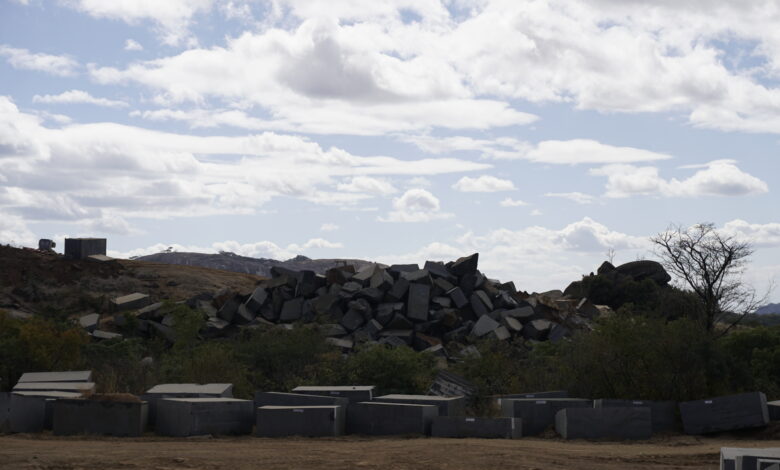
He adds that Eastern investors, particularly China and Russia, focus primarily on resource extraction.
“They generally say they’re interested in Africa’s resources. How countries govern themselves is their own issue. So, they thrive because they just want to access the minerals and take them out,” he said.
However, Kanyenze warns that this extractive approach, whether from East or West, brings limited benefit to Zimbabwe.
“The results are pretty similar. Our resources are exported as raw materials, which means jobs are exported too. As long as we focus only on extraction without promoting secondary industries, we’ll remain in the same cycle,” he said.
The Missing National Strategy
Kanyenze argues that Zimbabwe’s lack of a clear national investment strategy leaves it vulnerable.
“The first step should be developing a clear national strategy. Take Botswana, for example, its government secures 60% of diamond mining revenues through a centralised fund, ensuring national benefit. In contrast, Zimbabwe lacks such a nationalistic approach,” he said.
He adds that relying on individual investors without a unified national framework weakens Zimbabwe’s bargaining power.
“As long as we don’t have a strategy, it means we are at the whims of whoever the investor is Western or Eastern. The benefit always comes at our expense,” he said.
Representatives from the Ministry of Foreign Affairs and International Trade did not respond to repeated requests for comment.