Golden Leaves, Empty Pockets: A Tobacco Farmer’s Struggle for Survival
By Melisa Mutinhima
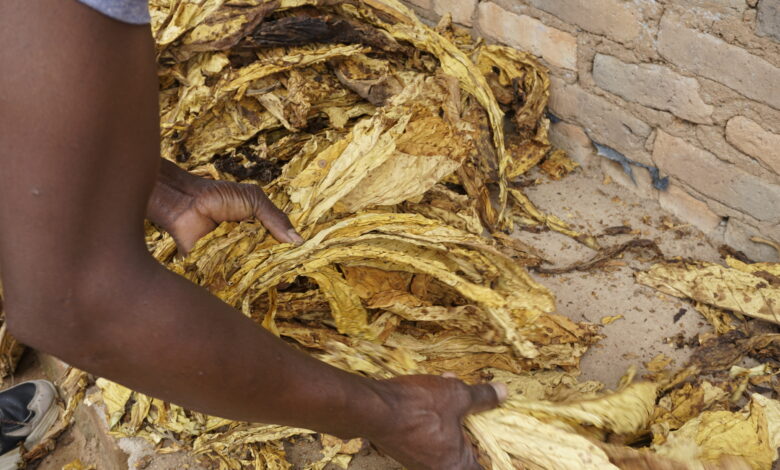
In the rural district of Mt Darwin, the air carries the unmistakable scent of tobacco, Zimbabwe’s most valuable agricultural export. For years, that smell symbolised hope for farmers like 52-year-old Forget Chitsato.
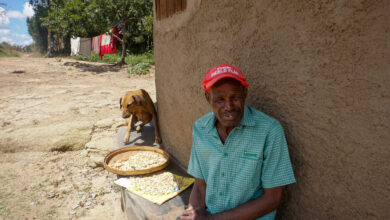
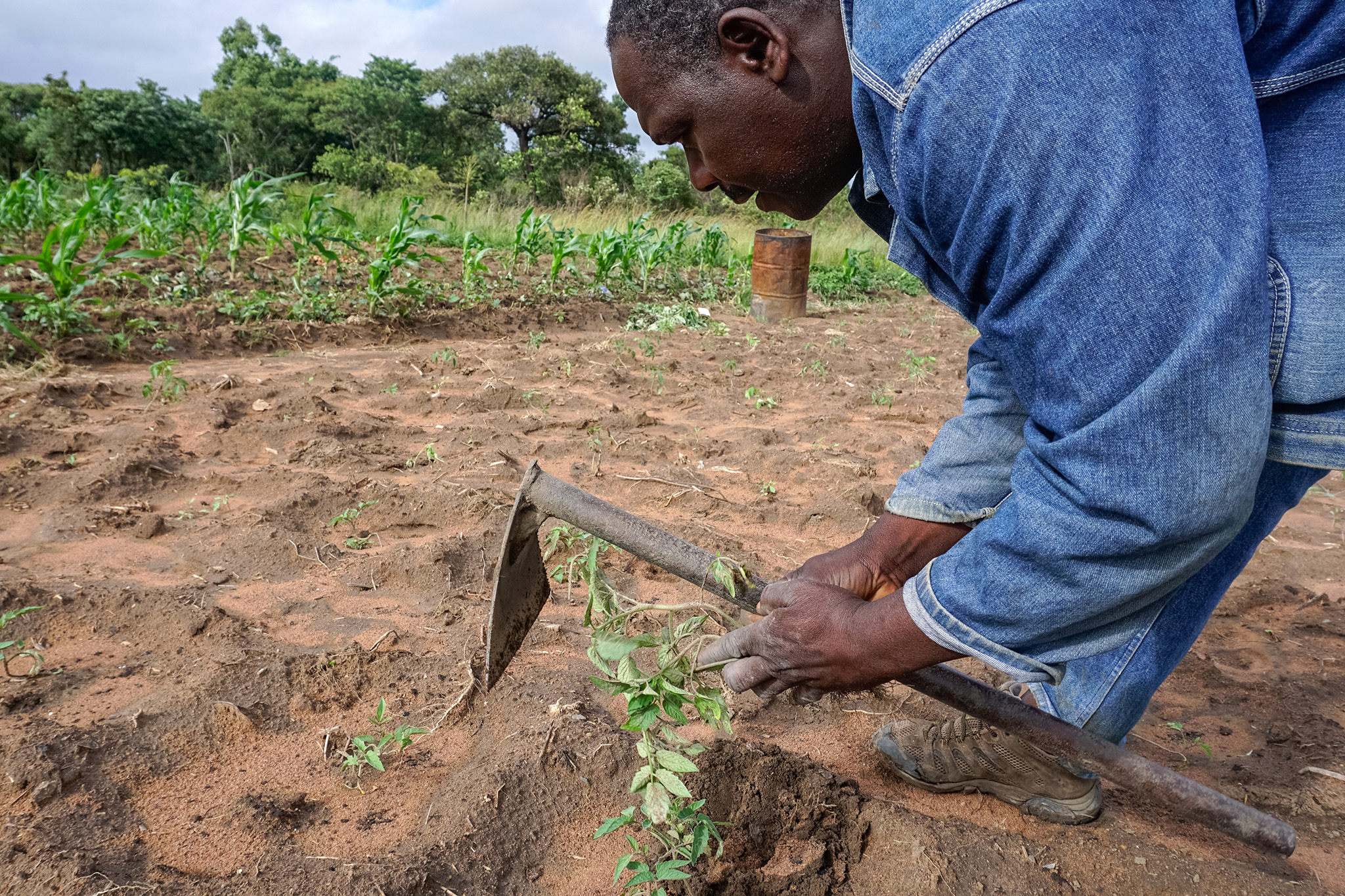
Before sunrise each morning, Chitsato is already in his fields, inspecting the tobacco crop that has long provided both his livelihood and sense of purpose. Tobacco farming in Mt Darwin demands patience, skill and relentless hard work. Yet despite doing everything right this season, Chitsato now finds himself uncertain about the future. The tobacco leaves that once paid for his children’s education, bought groceries and cleared debts are no longer bringing in enough income.
“I did everything right this season,” Chitsato says. “The rains came on time, and the crop was healthy. But when I sold it, the prices were simply too low.”
For decades, tobacco has been Zimbabwe’s “golden leaf”, the backbone of the country’s agricultural economy and one of its biggest foreign currency earners. Zimbabwe is Africa’s largest tobacco producer, with more than 100,000 small-scale farmers contributing over 85 percent of national production.
Like many farmers in the area, Chitsato switched from maize to tobacco after watching neighbours build brick houses, buy vehicles and send their children to good schools with proceeds from the crop.
“Tobacco farming wasn’t easy at first,” he recalls. “It requires expensive inputs such as fertiliser, chemicals and labour. But when prices were good, all the hard work was worth it.”
This season, Chitsato produced more than 30 bales of tobacco, a respectable harvest. To finance production, he borrowed money to purchase inputs and hired workers during peak periods. His wife, Enedia, and their three children also spent countless hours helping in the fields.
When harvest time arrived, Chitsato loaded his tobacco onto a truck and travelled to Harare’s auction floors, confident that the quality of his crop would earn him a good return. Instead, his hopes quickly faded.
“At the auction, they graded my tobacco and the bidding began,” he says. “I expected at least US$3.50 per kilogram for some of my better-quality leaf, but the highest offer was around US$2.10. Some bales sold for even less.”
Once transport costs, auction levies, loan repayments and other deductions were made, very little remained.
The disappointment is not unique to Chitsato. Across Zimbabwe, tobacco farmers have voiced similar frustrations, arguing that prices no longer reflect the rising cost of production.
His wife, Enedia, says the family had carefully planned their finances around the expected income.
“We budgeted for school fees, food for the year and clothes for the children,” she says. “Now we have to decide what we can afford to sacrifice.”
The impact is already being felt at home. Their eldest son, Tawanda, who is in Form Four, was expected to return to school during the holidays for extra lessons. Instead, he has remained at home, helping his father prepare for the next farming season. The younger children have also been affected, with the family sometimes surviving on just one meal a day.
“The hardest part is feeling helpless,” Chitsato admits.
Mr Zhou, who has worked in Zimbabwe’s agricultural sector for more than 30 years, says several factors are driving the low prices, including oversupply, limited competition among buyers and changing global market conditions. However, for farmers like Chitsato, such explanations offer little comfort.
Some farmers have turned to contract farming, where companies provide inputs in exchange for exclusive rights to purchase the crop. While the arrangement offers greater financial security, it also comes with strict contractual obligations that many small-scale farmers struggle to meet.
For Chitsato and thousands of others, the challenge is no longer simply producing a good crop. It is surviving within a marketing system that often leaves farmers with little reward despite months of labour.
“You cannot put all your hopes in one crop anymore,” says Mr Zhou. “Farmers should diversify by growing maize, soybeans or horticultural crops, or by investing in small livestock projects. These can improve food security and provide additional income when tobacco prices fall.”
Despite this difficult season, Chitsato says he has little choice but to continue.
As another farming season approaches, he will once again prepare his land, plant his crop and place his hopes in the soil. It is a cycle he knows all too well, one defined by hard work, uncertainty and an enduring belief that next season might be different.