From Trash to Livelihood: How Informal Waste Collectors Are Helping Keep Harare Clean

From Trash to Livelihood: How Informal Waste Collectors Are Helping Keep Harare Clean
By Tanaka Brian Makundamhuka
Before sunrise, while much of Harare is still asleep, Rudo Mataranyika is already at work.
With a worn sack tied to a wheelbarrow, she moves through residential suburbs, markets, and informal settlements collecting discarded plastic, metal, cardboard, and other recyclable materials. What many residents consider rubbish has become her source of income, helping her put food on the table and pay school fees for her young daughter.
“People think what I do is dirty,” Mataranyika says. “But this is work. This is how I survive because I have nothing else to depend on.”
Like thousands of Zimbabweans navigating a challenging economic environment, Mataranyika has turned to the informal waste collection sector to earn a living. Yet her work is doing more than supporting her family. It is also contributing to a cleaner city by removing recyclable materials that might otherwise end up in landfills, drains, and open spaces.
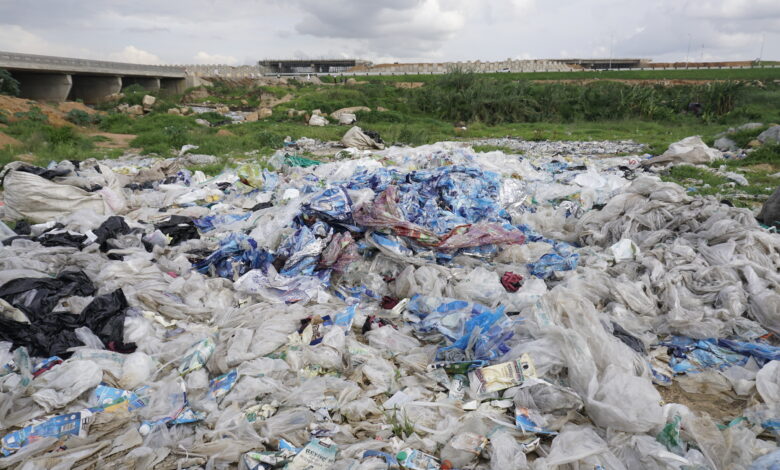
Across Harare’s suburbs and satellite towns, informal waste collectors have become an important but often overlooked part of the city’s waste management system. In areas where municipal waste collection is irregular, they provide a service that benefits both residents and the environment.
For Mataranyika, the day begins before dawn. She listens for the sounds of market traders setting up stalls and keeps in touch with residents who separate recyclable waste for collection. Throughout the day, she sorts materials into different categories before selling them to recycling traders.
The proceeds help cover household expenses and her daughter’s education.
Turning a Challenge into an Opportunity
According to the Environmental Management Agency (EMA) and local authorities, Zimbabwe faces two interconnected urban challenges: rising unemployment and increasing volumes of waste.
Informal waste collectors are helping address both.
For individuals struggling to find formal employment, waste collection provides a source of income. At the same time, the recovery and recycling of waste reduce pressure on landfills, decrease plastic pollution, and help keep drainage systems clear.
Tendai Ncube, who has worked in the sector for more than a decade, says he entered the trade after losing his job.
“I started because there was nothing else,” he says. “At first people laughed at me. But now when skips overflow or waste starts piling up, people call me because they know I can help.”
Beyond collecting waste, Ncube and other informal workers sort materials into recyclable categories such as plastics, metals, and glass, creating value from items that would otherwise be discarded.
Their work supports a growing recycling economy while helping reduce the environmental burden on local authorities.
Supporting Cleaner Communities
Residents say the presence of informal waste collectors has improved sanitation in many neighbourhoods and marketplaces.
Esinath Muchirahondo, a vegetable vendor in Harare, says collectors help prevent waste from accumulating around trading stalls.
“They help our businesses too,” she says. “When collectors are around, I don’t worry about rubbish piling up, attracting pests, or creating bad smells that chase customers away.”
She adds that municipal waste collection is sometimes inconsistent, making informal collectors an important alternative.
“When the council delays collecting waste, these collectors step in and help keep the area clean.”
Municipal officials also acknowledge the contribution informal collectors make in recovering recyclable materials and reducing the amount of waste destined for landfill sites.
Environmental and public health experts note that effective waste management can reduce the risk of disease outbreaks associated with poor sanitation, including cholera and typhoid.
However, they also stress the need for collectors to use protective equipment because of the health risks associated with handling waste.
Building a Circular Economy
Harare Mayor Jacob Mafume has repeatedly emphasised the importance of recycling and moving away from a waste management system that relies heavily on dumping refuse in landfills.
The work done by informal collectors aligns with the principles of a circular economy, where materials are recovered, reused, and recycled rather than discarded.
Every kilogram of plastic, metal, or cardboard diverted from landfill reduces pressure on dumping sites and lowers the demand for new raw materials. Recycling also conserves energy and helps reduce environmental pollution.
In this way, waste collectors are contributing to environmental sustainability while creating economic opportunities for themselves and others within the recycling value chain.
Challenges Remain
Despite their contribution, waste collectors face significant obstacles.
Prices for recyclable materials fluctuate, making incomes unpredictable. During some months, collectors can earn enough to support their families, while in others earnings decline sharply.
“You never know,” says Mataranyika. “This month plastics might fetch a good price, but last month they were worth almost nothing. You learn to save when you can.”
Seasonal rains, poor road conditions, and transportation costs also affect their ability to work efficiently.
Many collectors continue to face social stigma, with some residents associating them with disorder or criminal activity.
Yet evidence from communities where councils and local groups engage with waste collectors suggests that cooperation can produce positive results. Better coordination often leads to more regular waste collection, reduced illegal dumping, and cleaner neighbourhoods.
But for Mataranyika, waste collection is about more than survival. It represents resilience, entrepreneurship, and a practical response to two pressing urban challenges: unemployment and waste management.