Despite Official Registration, Traditional Healers Still Locked Out of Zimbabwe’s Public Health System

Despite Official Registration, Traditional Healers Still Locked Out of Zimbabwe’s Public Health System
By Linda Mujuru
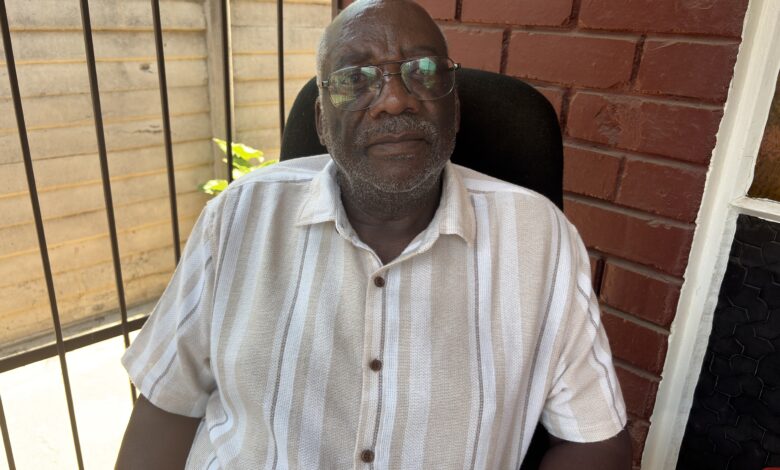
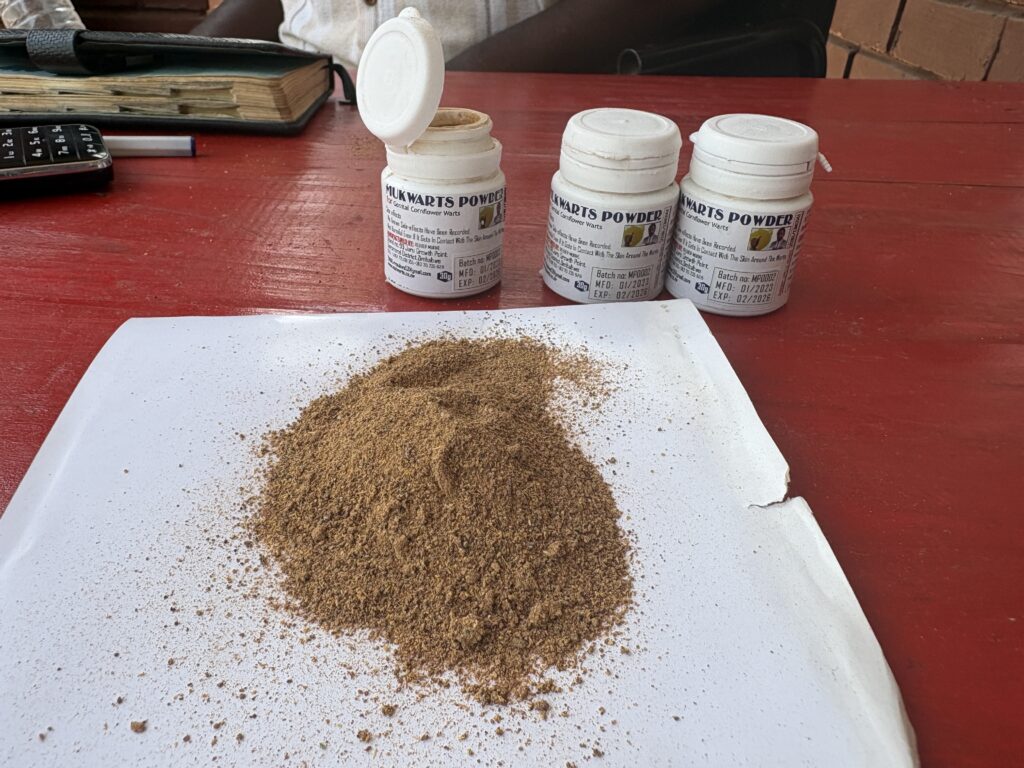
For herbalist Reuben Mukwe, the journey to register his traditional medicine was long and uncertain. He first applied to the Medicines Control Authority of Zimbabwe (MCAZ) in 2017 to certify his herbal treatment for genital warts. After nearly three years of reviews, laboratory tests, and regulatory scrutiny, his product was successfully registered in 2019.
“I was happy the process finally went through,” Mukwe said. “But this registration five years on, has not changed anything. A lot of people are suffering but they don’t get enough treatment from the present medicine which are being used to treat genital warts ,the government has not yet come up with an law which allows the traditional medicine to be used in hospitals,”
I still hope the government will one day allow traditional medicine to be used in public hospitals so that we can help more people who are suffering,” said Mukwe.
Traditional medicine continues to play a major role in Zimbabwe’s healthcare landscape. According to the World Health Organization (WHO), 2023 report, nearly 60–80 percent of the population in sub-Saharan Africa relies on traditional and complementary medicine for primary health needs. In Zimbabwe specifically, the University of Zimbabwe’s Faculty of Pharmacy (2021) estimates that at least 70 percent of rural communities use herbal treatments as a first line of care before visiting biomedical facilities.
Research by the WHO Regional Office for Africa (WHO-AFRO, 2022) highlights Zimbabwe as one of the countries in southern Africa with an established regulatory authority for traditional medicine, through the Traditional Medical Practitioners Council of Zimbabwe (TMPCZ). The Council, formed under the Traditional Medical Practitioners Act [Chapter 27:14], regulates the registration, licensing, and professional conduct of traditional healers.
Zimbabwe’s Traditional Medical Practitioners Act (1981) defines a traditional medical practitioner as any person who treats or diagnoses illness using indigenous knowledge systems. The Act requires all practitioners to be registered with the TMPCZ and prohibits anyone from practising traditional medicine for gain without registration. The Medicines and Allied Substances Control Act [Chapter 15:03] also provides that any medicine herbal or pharmaceutical must undergo quality and safety evaluation before marketing or use in formal health settings.
While the legal framework recognises traditional medicine, full integration into public hospitals has yet to be realised. A 2018 University of Zimbabwe and Ministry of Health and Child Care joint study found that the absence of harmonised protocols for testing, prescribing, and dispensing traditional medicines has slowed efforts to mainstream them within the formal healthcare system.
For Mukwe and many others, regulation remains only one part of the challenge.
“We cannot advertise our medicines, and they are not accepted in hospitals,” he explains. “It’s difficult to reach people who need help.”
Mukwe explained how he requested for patients suffering from genital warts to be referred to him from the public hospitals and this request was denied.
In the letter dated 17 February 2025, the permanent secretary for the ministry Health and Child Care Dr Aspect Maunganidze said, “There is currently no legal provision for medical practitioners to refer cases to traditional health practitioners. The ministry is however working on an integrated service provision approach and will advise when this is finalised,” stated the letter
The African Union’s Plan of Action on Traditional Medicine (2021–2030) notes that traditional medicine contributes significantly to community health and local economies but faces challenges including limited funding, weak intellectual property protections, and low public confidence due to insufficient scientific validation.
Despite these constraints, policymakers are increasingly recognising traditional medicine as a key component of national health coverage. The World Health Organization’s Global Centre for Traditional Medicine (2022) calls on governments to strengthen research, regulation, and collaboration between biomedical and traditional practitioners. Zimbabwe’s Ministry of Health has echoed this position in its draft National Traditional Medicine Policy, which aims to promote evidence-based integration by 2030.
Prince Sibanda Zimbabwe National Traditional healers Association’s (ZINATHA) education secretary says MCAZ should only support traditional healers to register their patents and not work as a regulatory authority.
For many Zimbabweans, traditional medicine is more than a cultural artefact; it is a trusted and accessible form of healing in a strained healthcare system.
According to a 2023 WHO, Country Cooperation Strategy, 2021–2025, Zimbabwe’s healthcare system continues to face major access challenges driven by limited public funding, workforce shortages, and uneven distribution of services between urban and rural areas. Approximately 80% of the population relies on public health facilities, yet these institutions are often under-resourced, with frequent drug stock-outs and equipment shortages.
Winnet Zachariah a Zimbabwean resident says she grew up drinking traditional medicine and for many ailments like stomach aches and injuries, the medicine works perfectly and is cost effective, “ as long as the medicine is not used to harm others like for witchcraft we should embrace it and use it even in hospitals,” she said.