Who Owns the Schools? Inside Zimbabwe’s Latest Battle Over Education and Land
By Staff Reporter
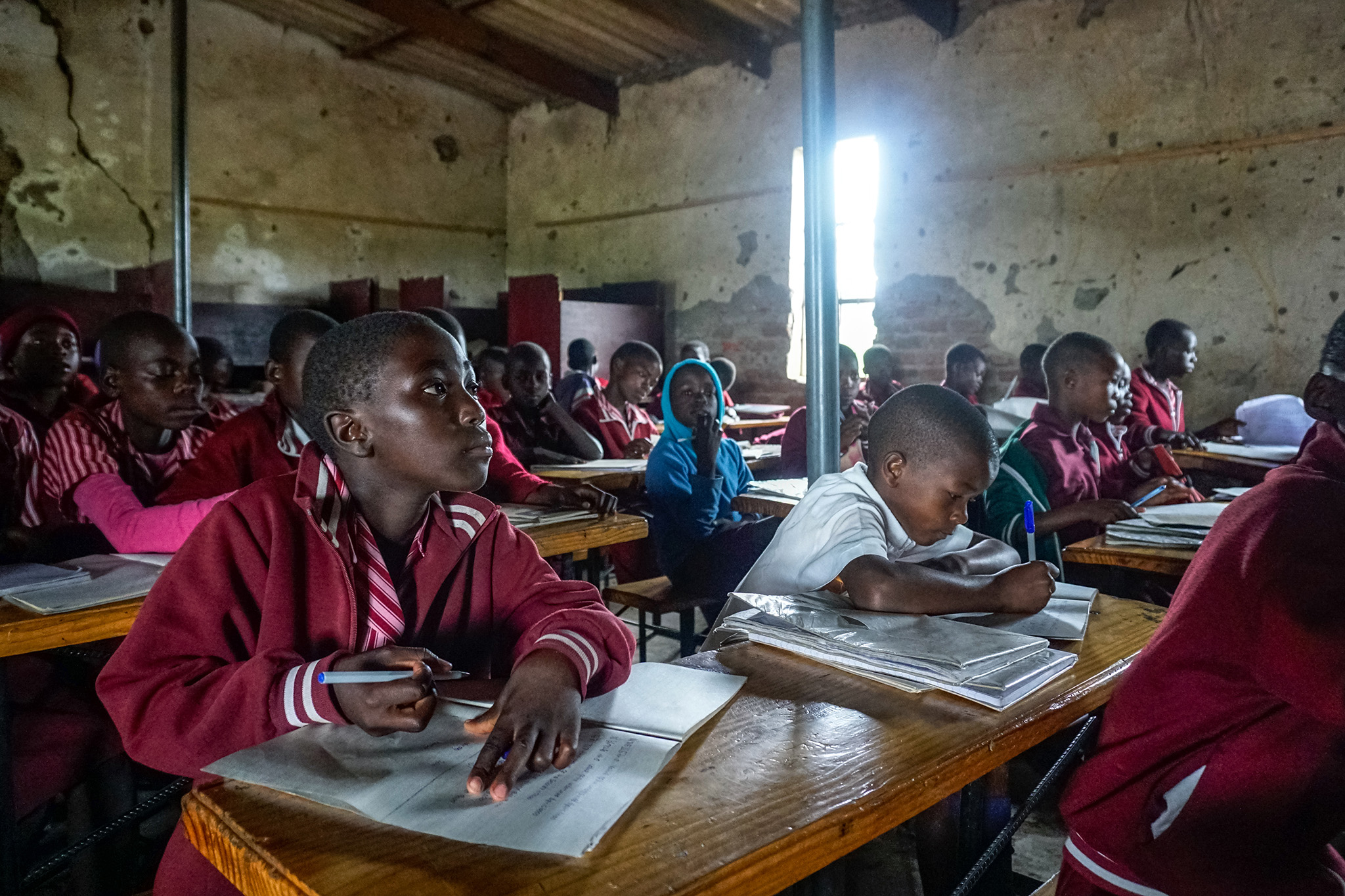
In Southlea Park, a rapidly growing suburb on the southern part of Harare, three schools Southlea Park Primary, Southlea Park Secondary, and Blackfordby Primary, have become the latest flashpoint in Zimbabwe’s long and complicated story of land ownership.
Representatives of the schools received a letter, written on behalf of businessman Phillip Chiyangwa, and circulated among education officials. The letter, issued by Sensene Investments (Pvt) Ltd and addressed to the District Schools Inspector for the Highlands District, claimed legal ownership of the land on which the three schools stand.
“Please note that Sensene Investments is a subsidiary of The Pinnacle Property Holdings Limited,” the letter reads. “All the referenced stands are designated for educational purposes and are currently operating as schools. We hereby advise that, with immediate effect, Mrs. Sarah Chiyangwa will be the Responsible Authority for the schools.”
The letter included copies of title deeds registered in 2022 for Stands 5, 6, 13 and 14, which it said confirmed ownership under Sensene Investments, one of several property companies linked to Chiyangwa, a businessman and former parliamentarian.
Community Shock and Confusion
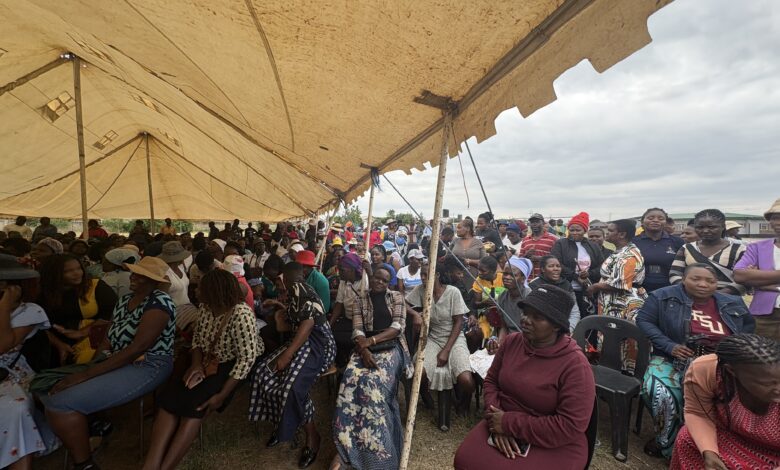
At a parents’ meeting held at Southlea Park Primary on 8 November, emotions ran high.
“I am emotional right now; I feel like crying,” said a parent who identified herself as Mai Gutu. “We built this school as parents. We contributed money and even worked physically, pushing wheelbarrows of sand so our children could have a place to learn, only for someone to claim it as their own. Where was he all this time?”
For many residents of Southlea Park, the announcement came as a surprise. Parents say they had long believed the schools were government institutions, built on land set aside for education during the suburb’s development phase.
“We didn’t know the schools had a private owner,” said another parent, Mai Masunda. “We were told this land was for the community. Now we are being told it belongs to a company.”
If Sensene Investments’ claim goes uncontested, the three schools could effectively become privately owned institutions, with oversight transferred from the Ministry of Primary and Secondary Education to a private “Responsible Authority”, in this case, Mrs Sarah Chiyangwa, wife of Phillip Chiyangwa as stated in the letter.
Moses Musekiwa, the secretary of the School Development Committee (SDC) at Southlea Park Primary, said the community feels justified in claiming ownership of the school.
“When the school was developed, it was based on government approval allowing the community to construct the school after a commission of inquiry confirmed it was state land,” he said. “We appeal to His Excellency, Cde E.D. Mnangagwa, to intervene as the listening president that he is, to help children access affordable education. This is the only government school in Southlea Park; the rest are privately owned.”
A Familiar Name in a Familiar Dispute
Phillip Chiyangwa is no stranger to controversy over land ownership. His business empire, which includes Pinnacle Holdings and its subsidiaries, has been central to numerous disputes involving residential and commercial property across Harare.
When contacted for comment regarding the school ownership issue, Chiyangwa was not willing to elaborate.
“They have got a letter which is very clear with the title deeds. We can’t explain more than what we have. I can’t talk better than the title deeds,” he said.
Urban land in Zimbabwe has increasingly become more than just a developmental asset it is also a political currency. Research by urban governance expert Dr Davison Muchadenyika, author of Seeking Urban Transformation: Alternative Urban Futures in Zimbabwe (2021), shows that the allocation of land for housing and public services in Harare and other cities has been heavily politicised.
Muchadenyika’s research highlights that land allocation has become a political resource, used by powerful elites, housing cooperatives, and local authorities to reward loyalty or consolidate control. In many cases, allocations are made outside formal urban planning frameworks, bypassing the statutory oversight of local authorities, and the Ministry of Local Government states the research.
Stephen Maendaenda, ZANU PF, DCC Secretary for Economic Affairs, vowed to protect the interests of learners and parents at Southlea Park Primary.
“My children learnt at this school. I contributed to the construction of that double-storey building and the installation of the gate. Phillip Chiyangwa has no claim over this property,” he said.
Education on the Edge
According to the Zimbabwe National Statistics Agency (ZIMSTAT, 2020), Zimbabwe has one of the highest literacy rates in Africa, at 93.7% yet rapid urbanisation has left new suburbs struggling to provide adequate schooling.
For parents like Miriam Firei, the dispute is more than a legal issue; it’s a question of access and affordability.
“Handing over this school to Chiyangwa means it will now become a private school, one we can’t afford,” she said. “We’ll have to send our children as far as Glen Norah or Machipisa, and that exposes them to many risks.”