Coping, Not Waiting: How Zimbabweans Are Adapting to Economic Instability
By Linda Mujuru
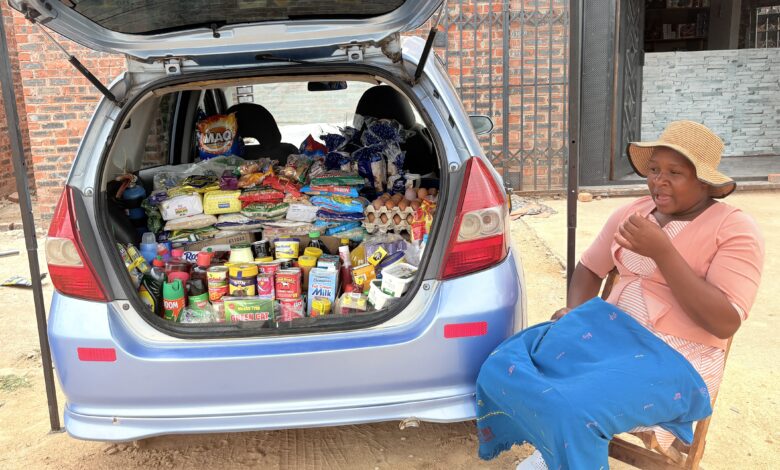
By 7 a.m., Alice Makunya has already parked her car by the roadside in the high-density suburb of Southlea Park, boot open, packs of sugar, crates of eggs, cooking oil, and other foodstuffs stacked neatly inside. She sells groceries from the back of her small vehicle, a setup that allows her to operate with low overhead and adjust quickly to the realities of Zimbabwe’s economy.
Some customers pay in US dollars; others use the local currency, the ZiG. Makunya accepts both. Each day, she recalculates prices, balancing affordability for customers with the need to restock and survive.
“You can’t afford to guess,” she says. “If you get it wrong today, you don’t recover tomorrow,” she adds.
Zimbabwe’s inflation and currency instability are often discussed through policy statements and economic indicators. But for most people, survival depends less on official announcements and more on everyday problem-solving. Across the country, informal traders, salaried workers, and small businesses are quietly developing ways to make a living without reliable US dollar incomes.
Makunya uses a pricing system that reflects the mixed realities of his customers’ incomes. Items carry different prices depending on the currency used, allowing him to keep trading even as costs fluctuate. Many roadside vendors, market traders, and service providers now operate this way, not as a political statement, but as a practical response to instability.
“It’s not about choice,” Makunya explains. “It’s about staying in business. Failure to understand the dynamics of trading will cripple my business,” she adds.
For teachers and civil servants paid in local currency, inflation has steadily eroded buying power. Monthly salaries often fail to stretch far enough to cover food, transport, and school fees. In response, collective coping strategies have grown.
Marvellous Gandiwa, a primary school teacher at a government school, says she has developed coping mechanisms such as grocery and cash savings clubs popularly known as “round”. She and four other teachers pool money to buy groceries in bulk. By purchasing together, they reduce costs and ensure access to basic goods before prices rise further. The system rotates responsibility and benefits, ensuring each member receives support when needed.
“Alone, you struggle,” says Gandiwa. “Together, you manage. The club helps us save and support each other.”
Savings clubs have long been part of Zimbabwean social life, but now they have taken on new economic significance. What once functioned mainly as social safety nets now help members stabilise consumption in unpredictable conditions. These arrangements do not increase income, but they reduce vulnerability.
Small and medium-sized businesses face similar pressures. Many have abandoned expansion plans and shifted toward survival-focused models. Stock levels are kept low, purchasing is cautious, and business owners prioritise fast-moving goods over variety.
A clothing trader, Barbra Mwenje, who sells baby clothes imported from South Africa, says she no longer takes risks on slow-selling items. “I would rather sell less and survive than stock up and lose everything,” she says.
Other entrepreneurs have shortened payment cycles, avoiding credit arrangements that expose them to losses. Some carefully split their income, setting aside funds strictly for restocking while using the remainder for household needs.
The pressure of constant adjustment is emotionally draining, says Makunya and Mwenje.
“You can’t plan for the long term because you don’t know what tomorrow holds. Expenses are prioritised month by month, sometimes week by week. Long-term goals are postponed indefinitely,” says Mwenje.
“You are always choosing what to sacrifice,” says Muchaneta, a nurse who supplements her income by selling homemade snacks. “You don’t stop needing things, you just stop affording them,” she adds.
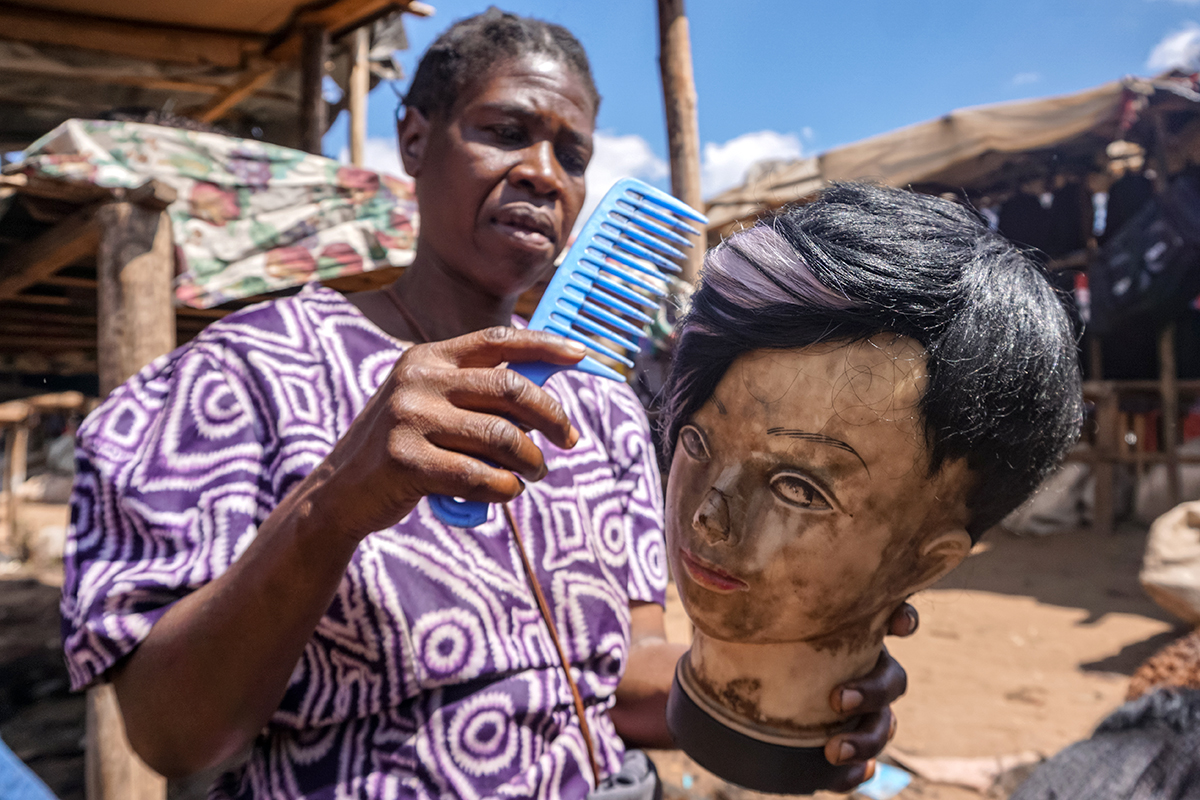
Side businesses have become essential income buffers for many salaried workers. Baking, poultry projects, tutoring, and vending help fill gaps left by shrinking wages. These activities are rarely framed as success stories, yet they are crucial to household survival. Gandiwa adds that she has managed to cover her transportation costs to and from work by selling snacks, sweets, and clothing items to students and fellow teachers.
“Every workplace, everyone is trying to sell something to augment their salaries. It’s now a norm,” she adds.
Samuel Wadzai Mangoma, Director of Vendors for Socio-Economic Transformation (VISET), a local organisation that represents vendors, says these informal activities provide essential means of survival for households.
“They create opportunities for income generation and can coexist with formal economic structures,” Mangoma says. “Rather than solely perpetuating dysfunction, the informal economy often serves as a critical lifeline, allowing people to adapt and navigate through challenging economic conditions while contributing to their communities. This duality can foster resilience in the face of instability.”
Mangoma adds that ignoring these everyday responses risks misunderstanding how the economy actually functions for most citizens. Policies that overlook informal survival strategies often fail to connect with lived realities.
Zimbabwe’s annual inflation rate fell into single digits in January 2026, slowing to around 4.1% in local currency terms, the first time since 1997. Authorities say this milestone reflects tighter monetary and fiscal policy and could help restore price stability. But for people like Makunya, survival is not about waiting for solutions. It is about managing today, protecting tomorrow, and finding ways to keep moving.
At the end of the day, Makunya begins packing up. She closes her boot earlier than usual, as sales were good, she wants to restock while she still can, heading to a nearby wholesale market at Mbudzi People’s Market, where she gets most of her goods.
“Tomorrow, we start again,” she says.
“In an economy defined by uncertainty, we are not denying the crisis,” Makunya adds. “We are living inside the crisis, adapting carefully, and refusing to give up.”